
Stop Hair Fall: Expert-Recommended Solutions

Vivek Trivedi
Jan 30, 2023
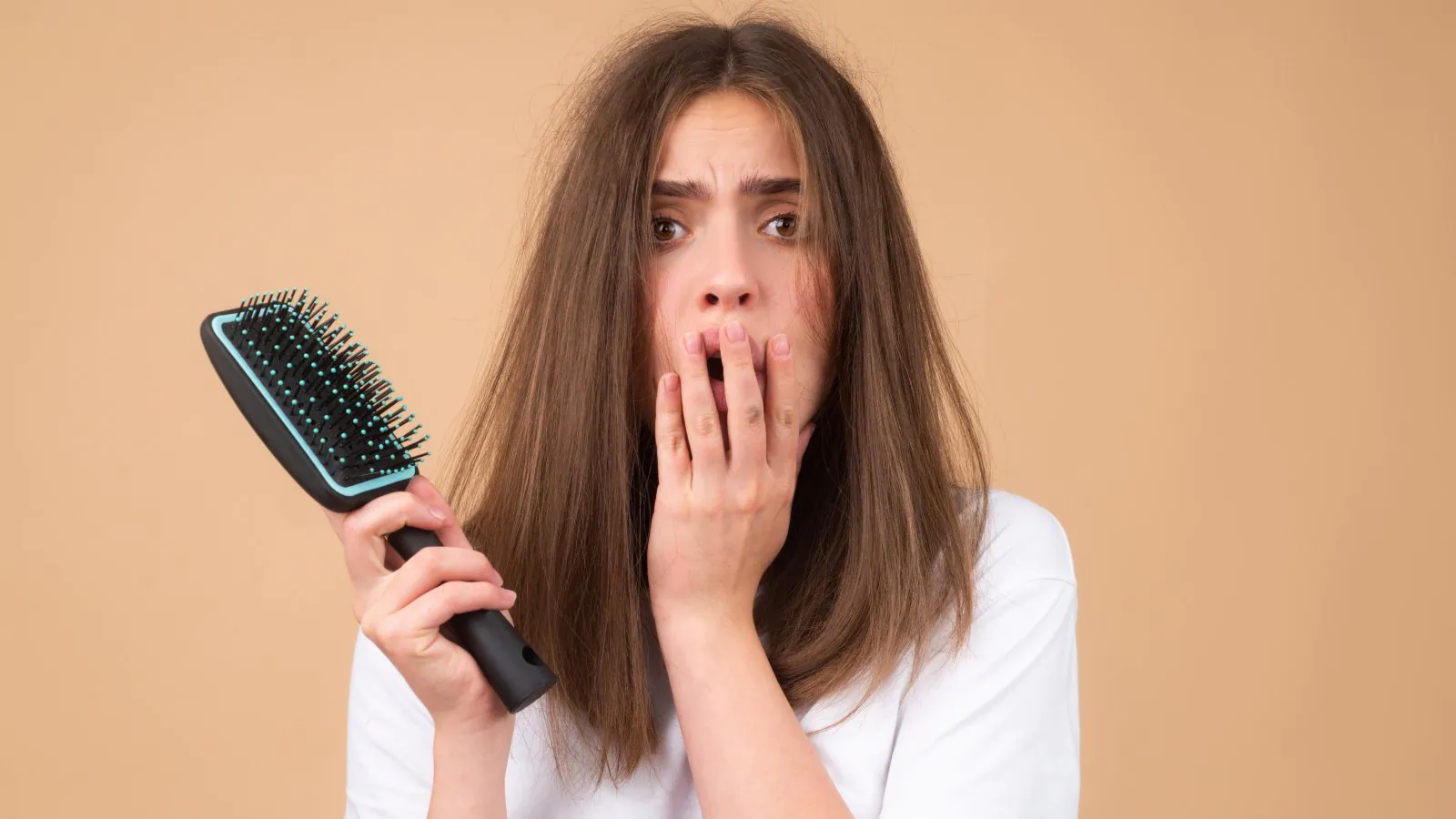
A complete guide by experts to understand why hair falls and what really works to stop it.
What is Hair Fall?
Hair fall is one of the most common concerns for both men and women today. Losing 50–100 hairs a day is normal, but if you notice hair on the pillow, the amount of shedding is higher than usual, or when the hair doesn’t grow back, shower drain, or your hair looks visibly thinner, it’s time to take it seriously.
Many people start trying random shampoos, oils, or home remedies without understanding the real reason behind hair fall. The good news is — most types of hair loss can be controlled and treated effectively if diagnosed early.
Warning signs that indicate you should take hair fall seriously:
- Hair strands break easily and feel weak or brittle
- The scalp becomes visibly noticeable
- Hair thins rapidly, or you lose volume suddenly
- You develop round or patchy bald spots
- Hair fall continues for longer than 3 months
- You notice excessive shedding on the pillow, towel, comb, or bathroom drain
If any of these apply, you should consider consulting a dermatologist.
If you notice any of these symptoms, dermatologists recommend getting an early evaluation, because timely treatment can prevent permanent hair loss.
Expert Insight
“Most people wait too long before seeking help. If hair loss is diagnosed in the early stages, the chances of regrowth are significantly higher.”
— Dr. A. Sharma, Trichology & Hair Restoration Specialist
What Are the Main Causes of Hair Fall?
Hair fall can happen due to multiple reasons. The most common include:
1. Genetic or Hereditary Hair Loss
If baldness runs in your family, you may experience thinning or a receding hairline. This is called Androgenetic Alopecia and affects both men and women.
2. Hormonal Imbalance
Conditions such as PCOS, thyroid disorders, pregnancy, and menopause can affect hair growth.
3. Stress & Lack of Sleep
Stress affects blood circulation and pushes hair into the shedding phase known as Telogen Effluvium.
4. Nutritional Deficiency
- Low levels of:
- Vitamin D
- Vitamin B12
- Iron
- Protein
- Biotin
can lead to weak hair roots and breakage.
5. Unhealthy Hair Care Habits
Frequent coloring, straightening, tight ponytails, chemical treatments, and heat styling damage the scalp.
6. Medical Conditions
Autoimmune diseases, such as Alopecia Areata, as well as fungal infections and chronic illnesses, can cause sudden hair loss.
7. Medications
Cancer treatment, antidepressants, blood pressure medicines, and birth control pills may cause temporary hair fall.
What Are the Symptoms of Hair Fall?
- Hair becomes thin and weak
- Excessive hair strands on comb, pillow, or bathroom floor
- Itchy or flaky scalp
- Receding hairline or widening hair parting
- Round bald patches
How Is Hair Fall Diagnosed?
Dermatologists usually perform:
- Physical scalp examination
- Blood tests (for iron, thyroid, vitamin levels)
- Pull test to check hair strength
- Scalp biopsy (only in rare cases)
How to Prevent Hair Fall Naturally?
1. Improve Your Diet
Include:
- Eggs, fish, spinach, lentils, nuts, seeds
- Milk, curd, bananas, oranges
2. Reduce Heat Styling
Use hair dryers occasionally and apply heat protectant spray.
3. Handle Hair Gently
Use a wide-tooth comb and avoid tight hairstyles.
4. Keep Your Scalp Clean
Wash 2–3 times a week, depending on hair type.
5. Manage Stress
Practice yoga, meditation, or evening walks to improve blood circulation.
Best Medical Treatments for Hair Fall
(Consult a dermatologist before starting any treatment)
| Treatment | Who it’s for | What it does |
|---|---|---|
| Minoxidil (Topical) | Both men & women | Improves blood flow & stimulates growth |
| Finasteride (Oral) | Men | Reduces hormonal hair loss |
| PRP Therapy | Severe hair thinning | Injects platelet plasma to strengthen roots |
| Low-Level Laser Therapy | Men & women | Boosts scalp circulation |
| Hair Transplant | Advanced baldness | Permanent solution |
Do Oils & Shampoos Help With Hair Fall?
Oils help improve blood circulation & dryness, but they cannot cure major hair loss conditions like androgenetic alopecia.
Look for ingredients like:
- Caffeine
- Ketoconazole (for dandruff)
- Biotin
- Niacinamide
Avoid:
❌ Parabens
❌ Sulfates
❌ Strong fragrances
When Should You See a Dermatologist?
Consult a doctor if:
- Hair fall is sudden or excessive
- You develop bald spots
- You have itching or burning on the scalp
- Hair fall continues for more than 3 months
Dermatologist Insight
According to dermatologists, early diagnosis is the key to saving hair.
Treating hair fall in the initial stage improves results and prevents permanent damage.
Key Takeaways
- Hair fall has many causes, but most are treatable
- A healthy diet + proper scalp care can reduce shedding
- Don’t rely only on random oils or shampoos
- Consult a dermatologist if hair fall persists
Vivek Trivedi
Vivek Trivedi is a versatile expert with knowledge in health, yoga, medicine, beauty, and travel. He offers holistic insights on wellness through yoga and natural health practices, while also sharing expertise in beauty and skincare. Additionally, his travel guidance focuses on wellness tourism and enriching experiences. His approach combines traditional knowledge with modern practices for overall well-being.