
Matcha Tea: Benefits, Recipes, and How to Make It

Versha Trivedi
Aug 26, 2025
Continue reading "Matcha Tea: Benefits, Recipes, and How to Make It"
- What is Matcha?
- Grades of Matcha
- Nutritional Value of Matcha
- Benefits of Matcha
- How to Make Matcha (Traditional Method)
- Matcha Recipe Ideas
- Possible Side Effects of Matcha
What is Matcha?
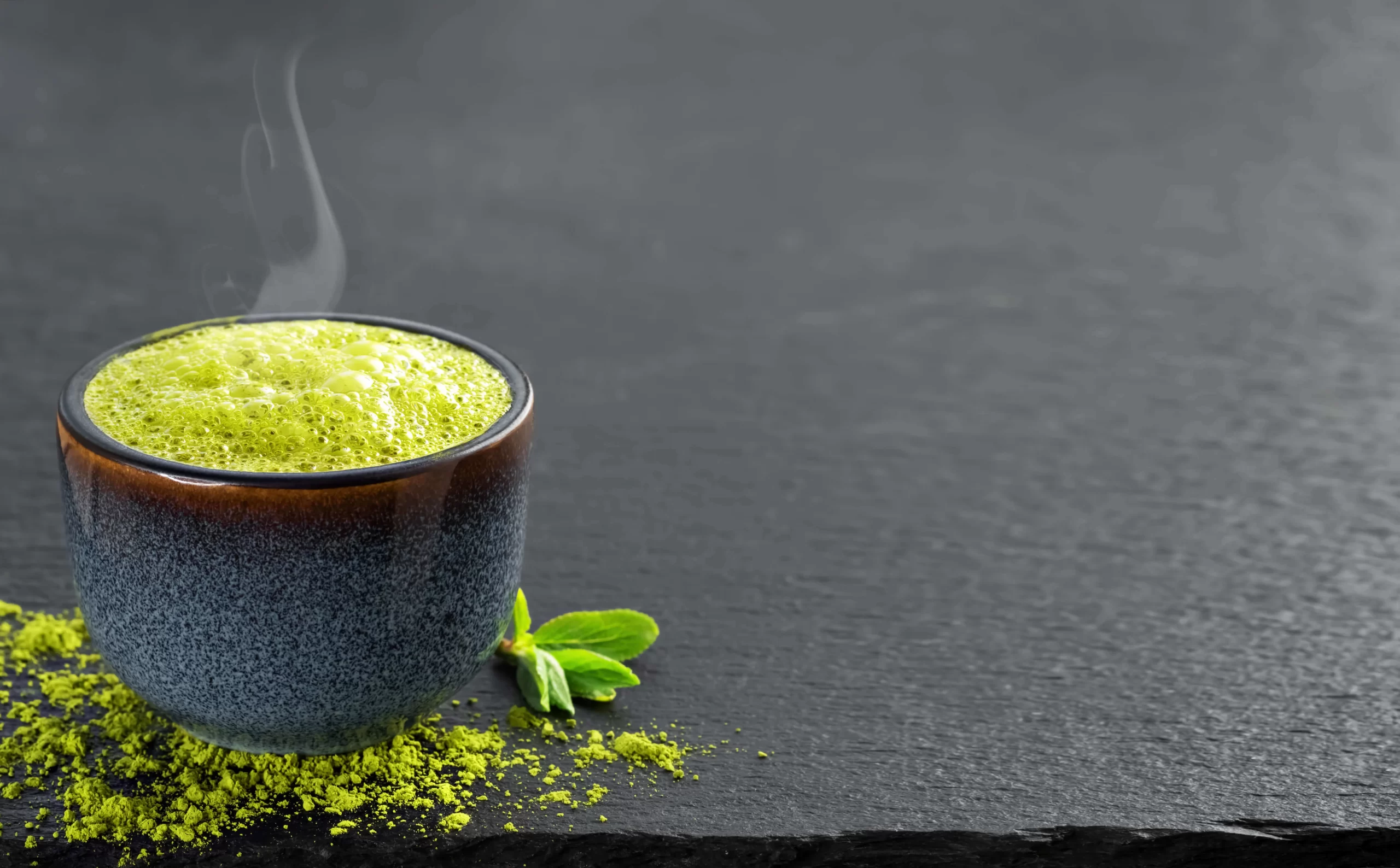
Matcha is a finely ground green tea powder, traditionally from Japan. Unlike regular tea, where you steep the leaves and discard them, with Matcha, you consume the whole leaf. This makes it more nutrient-rich and concentrated in flavor.
Matcha comes from the Camellia sinensis plant, but what makes it special is the growing process:
- Tea plants are shade-grown for about 3–4 weeks before harvest.
- This increases chlorophyll levels, giving matcha its bright green color.
- The best leaves are hand-picked, steamed, dried, and stone-ground into fine powder.
Grades of Matcha
Not all matcha is the same. Knowing the grade helps you choose the right type:
Ceremonial Grade – The highest quality, used for traditional tea ceremonies. Best for drinking plain.
Premium Grade – Slightly less delicate, but still smooth and suitable for daily drinking.
Culinary Grade – Stronger flavor, ideal for cooking, baking, and smoothies.
Nutritional Value of Matcha (per 1g/½ tsp)
Calories: ~3
Protein: 0.3g
Fiber: 0.3g
Caffeine: 35–40mg
Antioxidants (EGCG): Extremely high compared to regular green tea
Benefits of Matcha
The benefits of matcha go far beyond energy boosting. Here’s why adding matcha to your daily routine is helpful:
✅ Boosts Energy Without Jitters – Balanced caffeine + L-theanine for calm alertness.
✅ Rich in Antioxidants – Contains 137x more antioxidants than regular green tea.
✅ Aids Weight Management – May help boost metabolism and fat oxidation.
✅ Supports Brain Health – L-theanine improves focus, memory, and relaxation.
✅ Detoxifies Naturally – Chlorophyll helps cleanse the body of heavy metals and toxins.
✅ Heart Health – Can help lower cholesterol and blood pressure.
✅ Improves Skin Health – Antioxidants protect against premature aging and inflammation.
How to Make Matcha (Traditional Method)
Want to know how to make matcha at home? Follow this easy method.
Ingredients:
- 1 tsp matcha powder (sifted)
- 60–80 ml hot water (175°F / 80°C)
- Bamboo whisk (chasen) or small frother
Steps:
>Sift the Matcha – Prevents clumps.
>Add Water – Pour hot water (not boiling).
>Whisk – Whisk in “M” or “W” motion until frothy.
>Serve – Enjoy plain or add milk for a Matcha Latte.
Matcha Recipe Ideas
If you’re looking for a simple matcha recipe, here are some ideas:
- Matcha Latte – Mix with steamed milk + honey.
- Iced Matcha Latte – Shake with cold milk + ice.
- Matcha Smoothie – Blend with banana, spinach, and almond milk.
- Matcha Desserts – Add to cookies, cakes, pancakes, or ice cream.
How to Buy?
- Buy from trusted brands (look for origin: Japan is best).
- Check color – Bright green means higher quality.
How to Store Matcha?
- Store in an airtight container, away from light & heat.
- Use within 2–3 months for the best flavor.
Possible Side Effects of Matcha
While matcha is safe for most people, moderation is key:
⚠️ High caffeine may cause insomnia, restlessness, or upset stomach.
⚠️ Too much (over 4–5 cups/day) may increase liver strain.
⚠️ Pregnant women should limit intake (consult a doctor).
Final Thoughts
Now that you know what matcha is, how to prepare it, and the benefits of matcha, it’s clear that this vibrant green tea is more than just a drink—it’s a wellness booster. From traditional tea ceremonies to modern lattes and desserts, matcha is a versatile, delicious, and incredibly healthy option.
Read More: Know about Starbucks Iced Green Tea
Versha Trivedi
I'm Versha Trivedi, a digital marketing consultant from Lucknow, India. I'm passionate about blogging and helping businesses enhance their online presence. With expertise in digital marketing strategies, I assist clients in reaching their target audience and achieving their goals. Through my blog, I share valuable insights and practical tips on topics such as digital marketing trends and content creation. Let's connect and explore the exciting possibilities that digital marketing and blogging offer for your success.